Friday, 4 February 2022

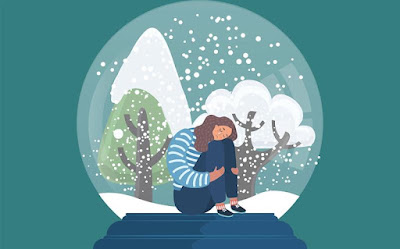
How to Combat Seasonal Depression?


mental health doctor in Bhopal

There are many ways to combat seasonal depression, but here are some of the most effective steps you can take. When you see the telltale signs of SAD (Seasonal Affective Disorder), make sure to schedule an appointment with your psychiatrist doctor or mental health doctor in Bhopal as soon as possible to receive a full diagnosis, effective medication and treatment plan, and any follow-up care that may be necessary in your particular case.

What are the effects of seasonal depression?

Whether it’s called a seasonal affective disorder, winter blues, or SAD, seasonal depression affects people differently. Some people have only a slight dip in mood and energy that resolves when spring arrives; others struggle throughout much of the year with ongoing symptoms that can be debilitating. If you are one of those people who’s been feeling down for more than a few weeks and want to know what you can do about it, continue reading.

How to combat seasonal depression?

It is estimated that as many as 20 percent of Americans are affected by seasonal depression every year. While it’s easy to assume that these symptoms are a byproduct of winter’s dreary weather, it turns out that they have more to do with light deprivation. When there isn’t enough sunlight, our body produces less serotonin (also known as the happy hormone). This makes us susceptible to feelings of depression and fatigue. Here are a few tips to combat seasonal depression:

Eating a healthy and balanced diet

If you are suffering from seasonal depression, incorporating foods that naturally boost your serotonin levels in your diet can help combat your symptoms. Examples of these include salmon, halibut, tuna, and mackerel; try to consume at least one serving per week. You can also benefit from eating plenty of vitamin C-rich fruits and vegetables. Foods like bell peppers, berries, citrus fruits (oranges, grapefruit), bananas, and strawberries are excellent sources of vitamin C.

Ensuring that one gets enough to sleep each night

A lack of sleep can harm one’s mental health, which is why it’s crucial to get as much shut-eye as possible each night. And if you do feel like you need a little more rest, consider consulting with a mental health doctor or psychiatrist for depression in Bhopal. That’s because doctors may be able to prescribe anti-depressants that allow you and your body the proper amount of rest.

Connecting with people you love and trust (even virtually!)

Studies show that close social ties are one of our best defenses against seasonal depression. So when you’re feeling down, reach out. Tell your friends and family members how you’re feeling, and ask them to check in with you more often over email or Skype.

Thursday, 3 February 2022

The Signs of Chronic Sadness in Kids


psychiatrist in Bhopal

Chronic sadness isn’t just common in adults, but also among children and teens. If your child suffers from chronic sadness, they may need professional treatment to help them deal with their depression and find happiness again. A psychiatrist in Bhopal will be able to help you determine if your child needs these services, as well as prescribe them if necessary. Keep an eye out for the following signs of chronic sadness in kids, which could indicate that they need psychiatric help and care.

Are there specific situations that make your child sad?

Loss is a common trigger for sadness, and children are no exception. It’s normal for kids to get sad when they lose a favorite toy or pet. But if your child feels overwhelmed by sadness all the time, it might be time to consult a mental health professional, such as one at Psychiatry Clinic Bhopal. A psychiatrist will not only help you identify what makes your child feel sad but also develop strategies to deal with chronic sadness.

Is your child refusing activities he/she used to enjoy?

If they are refusing to partake in activities they used to enjoy (like playing with friends or going to school), it could be a sign that something is wrong. Be sure to encourage them (with no pressure) and be open with them if you notice other changes in their behavior.

Is your child no longer interested in doing schoolwork?

If your child is no longer interested in doing homework or showing an interest in school, it could be a sign that they’re chronically sad. When kids are sad or worried, they can lose interest and motivation to do normal activities like attending school and playing with friends.

Does your child have trouble sleeping at night?

Perhaps your child is experiencing chronic sadness if he or she doesn’t sleep well at night. Kids who are chronically sad tend to find it difficult to fall asleep or struggle to stay asleep at night, which can lead to fatigue during daylight hours.

Does your child have difficulty eating meals at the table, even when hungry?

If your child is chronically sad, he or she may have a hard time eating meals at family mealtimes. This can be due to anxiety, which may cause some children to isolate themselves from their families and friends. One way you can help relieve these feelings is by making sure that meals are more than just about food. Instead, try using them as a time for your family to come together, bond and talk about daily activities and events.

Monday, 17 January 2022

Physical Symptoms Of Anxiety: How Does It Feel?


If you suffer from anxiety or panic attacks, you might already be aware of some of the emotional symptoms, such as racing thoughts and feelings of dread or terror. But many people aren’t familiar with the physical symptoms of anxiety, which can be just as distressing as the mental ones. If you’re interested in learning more about how your body reacts to fear and stress and what you can do about it, read on to learn more about the physical symptoms of anxiety.

What is Anxiety Disorder?

An anxiety disorder, or anxiety syndrome, is a mental disorder characterized by exaggerated feelings of anxiety and fear responses. These feelings may include nervousness, apprehension, restlessness, tension, and worrying about everyday situations. In some cases, these fears can be irrational and persistent to a degree that interferes with daily functioning in social environments and relationships with other people.

Most people will experience significant stress at some point in their lives; however when you are experiencing an anxiety disorder your worries are more intense than most. A psychiatrist in Bhopal can diagnose you with an anxiety disorder if your symptoms last for at least six months; usually longer for adults but shorter for children.

Types of Anxiety Disorder

While people who suffer from anxiety have a number of options for treatment, there are four main types of anxiety disorders: panic disorder, obsessive-compulsive disorder (OCD), post-traumatic stress disorder (PTSD), and generalized anxiety disorder.

While all types of anxiety share similar symptoms—excessive worry, irritability, nervousness—each person may experience these symptoms differently. For example, someone with PTSD may feel detached or detached during a panic attack while another person with panic attacks may not.

What are the Physical Symptoms of Anxiety?

It is a known fact that anxiety affects our moods, but it can also cause us to experience physical symptoms as well. There are a number of conditions associated with anxiety, and you may not have even been aware of them until now. But if you’re experiencing chronic pain, muscle tension or any other symptoms for no apparent reason, it’s possible that you are suffering from an anxiety disorder.

How Anxiety Affects Your Body?

Psychiatrists have become more and more interested in how anxiety affects your body, and there’s been a lot of research done on it in recent years. One thing that researchers have discovered is that people with anxiety are at a much higher risk for developing medical problems, especially cardiovascular issues like chest pain, high blood pressure and arrhythmia (irregular heartbeat). In fact, anxiety disorders can even cause strokes!

Getting help for anxiety

Make an appointment with a psychiatrist in Bhopal and ask for a referral to a good therapist. A psychiatrist can talk you through some of your options, but it’s best to have one-on-one help from a professional (especially if you feel like you’re out of options). If possible, try a few different therapists until you find someone who clicks with you.

Final Words:

It’s normal to feel anxious when you’re facing something that’s uncomfortable or unknown, but if you feel anxious all the time, your anxiety might be interfering with your work and relationships, and it could even have a negative impact on your physical health. We have provided you with some physical symptoms of anxiety that might indicate you need some help from a psychiatrist. Hope that was useful!


Thursday, 16 September 2021

7 Ways to Help You Overcome Sleep Disorder

 psychiatrist in Bhopal

All people have suffered from sleep disorder at some point in their lives. Sleep disorder may be a cause of stress and sadness, but it is a treatable condition. Here are seven ways to help you overcome your sleep disorder as suggested by a psychiatrist in Bhopal:

Get enough rest – If you want to beat the blues caused by sleep disorder, doctors recommend that you get eight hours of solid sleep at night.

Sleep during the day – There's nothing wrong with closed eyes for a few minutes here and there throughout the day if that's what it takes for you to recharge your batteries and feel refreshed even after just a short time of napping.

Save work until tomorrow – Sleep deprivation can really turn up the heat on stress at work, so don't fall into the trap of trying to do everything. Finish your work tomorrow and take today off!

Take a walk – Daytime walks are not only great for making you feel fresh, they also offer you an excellent opportunity to de-stress and ponder on things other than your sleep disorder.

Get yourself some exercise – Exercise is one sure way of kicking stress out of your system—and taking part in regular recreational sports, like speed walking or tennis, can even help you treat your sleep disorder.

Housekeeping – The American Institute of Stress reports that housework ranks as one of the least stressful activities we engage in every day — and Americans who vacuum and do their laundry by hand experience better health than those who use electric appliances as dishwashers. So roll up your sleeves, get down to scrubbing and scouring, and feel the stress melt away.

Eat well – Nutritionists recommend that people who are feeling stressed eat foods rich in vitamin B6 like fish, poultry, bananas, whole grains, leafy vegetables and avocados. Vitamin B6 is vital for good functionality of the nervous system.

According to a psychiatrist in Bhopal, the 7 ways listed above can help you overcome sleep disorder by helping you relax. Sleep deprivation only leads to more stress which makes it harder for you to beat your sleep disorder. Take the time now to try these seven ways so you can be on your way to sleeping soundly tonight!

Wednesday, 11 August 2021

Comprehensive Guide On Finding A Right Psychiatrist


Best psychiatrist in Bhopal

The best Psychiatry clinic in Bhopal usually has a long waiting list. If you are in a big problem and you don’t have enough time to wait and are forced to go with 2nd or 3rd or even 4th choice. You need not have to stick to the one you see first. You may skip consulting with the one you already have a fixed schedule in the case of urgency and may request them to cancel your consultation with them. You can easily find the right option for you by going through the tips that we are disclosing here in the post below. You will surely find the Best psychiatrist in Bhopal.

Tip-1 Searching-

You can begin your hunt for the Best Psychiatrist in Bhopal by seeing who is out there and by compiling the list of some doctors.

Ask for the referral- 

Talking to anybody who also has lived with mental issues can be a great option to begin your search. You may ask your therapist or primary care doctor as well for getting the best possible recommendation on the Best psychiatrist in Bhopal.

Searching online directories-

There are many online directories available on the internet but you should bear in mind that some only need a payment to be listed.

Check medical centers-

Medical centers are affiliated with medical schools. Check the best medical schools at first. The doctors work for the hospital and also they have a private practice.

Look for the subspecialties-

You can start off hunt if you wish for someone with a subspecialty in bipolar disorder, counting medication managing. The doctors with subspecialty take care of more complicated cases because they hold specific knowledge in an area like compulsion psychiatrists. The professionals often have their organization.

Tip-2 Screening

After you have recognized a doctor or many doctors, still you need to screen them. The following are some important things to review:

Insurance-

Do they take a patient’s insurance?

Education-

Where they had completed their schooling in medicine?

Specialty board certifications-

Do they hold any certifications like psychopharmacology?

Area of proficiency-

How relevant is their proficiency in your case? Do you need a generalist or one with proficiency in subspecialty?

Academic affiliation-

Do they educate psychiatry?

Years of experience-

Their years of experience

Tip-3 Consulting

At the time of your initial consultation, you need to assess the doctor’s practice style. You must make a list of questions, health records, and list of present medications, and so on to the appointment.

You may consider one who practiced shared decision making, one willing to consider your life goals, answer all questions you have.

Conclusion-

These are all important tips that you can consider at the time of selecting the Best psychiatrist in Bhopal.  Remember not to stick to one option. All these tips have been bought here just to help you in finding any other option if you are unable to get the appointment scheduled due to a long waiting list or any other reason. Consider all tips explained above and choose the right doctor for you.

Monday, 5 July 2021

The Difference Between Feeling Sad and Having Depression


Having feelings of sadness and being depressed are two very different things. For most people feeling sad means that something is missing in their lives and being depressed means that something is missing too. So, what is the difference between the two? Well, when you are depressed it affects all of your functions. You cannot function properly, eat properly, sleep, think, enjoy life, or even concentrate. Being depressed is not a good feeling on its own but if you combine feeling depressed with other symptoms such as lack of energy, fatigue, weight gain, or loss, and difficulty concentrating then you have the definition of clinical depression.

Some people say that happiness is just learning to be happy. But in reality happiness is much more than that. Happy people have positive thoughts and are able to change their environment to achieve their goals. People who are depressed do not care about anything at all. People that are depressed cannot understand why they feel so sad all the time. For some people it is like a slap on the face. For other people they just need to learn to control these negative emotions. These depressed people usually seek help from a psychiatrist to deal with their problem. With a psychiatrist, a person will work with a trained therapist to help them change the way they think and feel when they are sad or depressed.

The symptoms of depression include, worrying a great deal, insomnia, not being able to sleep, a feeling of helplessness, and the inability to have fun. There are a lot more symptoms that can be associated with different types of disorders. It is not an excuse to not want to live like other people do. There are things that you can do to get happiness and joy back into your life and seeing a psychiatrist for depression treatment is one of them.

About the Author:

It’s hard to handle the stress of modern life; we all need a little help sometimes. Dr Vaibhav Dubey is an excellent psychiatrist who will listen and care for you in your time of strife. He specialises in mental health illnesses including phobias or addiction problems with drugs or alcohol; personal issues such as relationship breakdowns, he can offer counselling tailored specifically for you!

Thursday, 10 June 2021

Common Signs and Symptoms of Social Anxiety Disorder

 What is Social Anxiety Disorder?

Social anxiety disorder, also known as social phobia, is an overwhelming and debilitating fear of social situations. It is characterized by intense anxiety in the presence of other people. In particular, it has been observed that patients with social anxiety disorder experience higher levels of physiological arousal in anticipation of community gatherings. Some of these patients even develop physical symptoms such as redness or sweating when they are around others. They also tend to avoid those they perceive as potential threats and end up losing control of themselves during such social encounters.

People with Social Anxiety Disorder Lead a Solitary Life

People with social anxiety disorders are not very comfortable with other people, so they tend to lead a lonely lifestyle. They don't feel safe and always feel that something is wrong. They also usually try to stay away from crowds and public places for as long as possible. People with social anxiety disorder can be extremely withdrawn or extremely outgoing, depending on the nature of their anxiety and their individual personality. But whatever their style, it is clear that everyone leads a very lonely lifestyle and cannot function normally in a group situation.


Some psychiatrists say that most people with social anxiety disorder also experience symptoms such as muscle tension, insomnia, anxiety, and sudden loss of muscle tone. The degree to which these patients experience anxiety depends on the type of social situations in which they find themselves and how they interpret these events. Those who do not have problems with large groups of people but find the idea of ​​talking to people of the opposite sex a little intimidating may develop anxiety instead.

People with Social Anxiety Disorder Have Fear of Being Judged

People with social anxiety disorder (SAD) often have an excessive and exaggerated fear of being judged for their appearance and abilities, embarrassing themselves in front of others, having negative reactions in social situations, or even having physical symptoms such as flushing, tremors, sweating, dizziness, or shortness of breath in social situations. They may also feel tension and anxiety for no apparent reason and feel the need to run away.

Final Words:

The extent to which these people experience different symptoms also depends on the circumstances and events to which they are exposed. For example, those who avoid large groups of colleagues find that their anxiety increases when they have to speak in public or when they are asked a question they know the answer to.